Soon-to-Be Parents
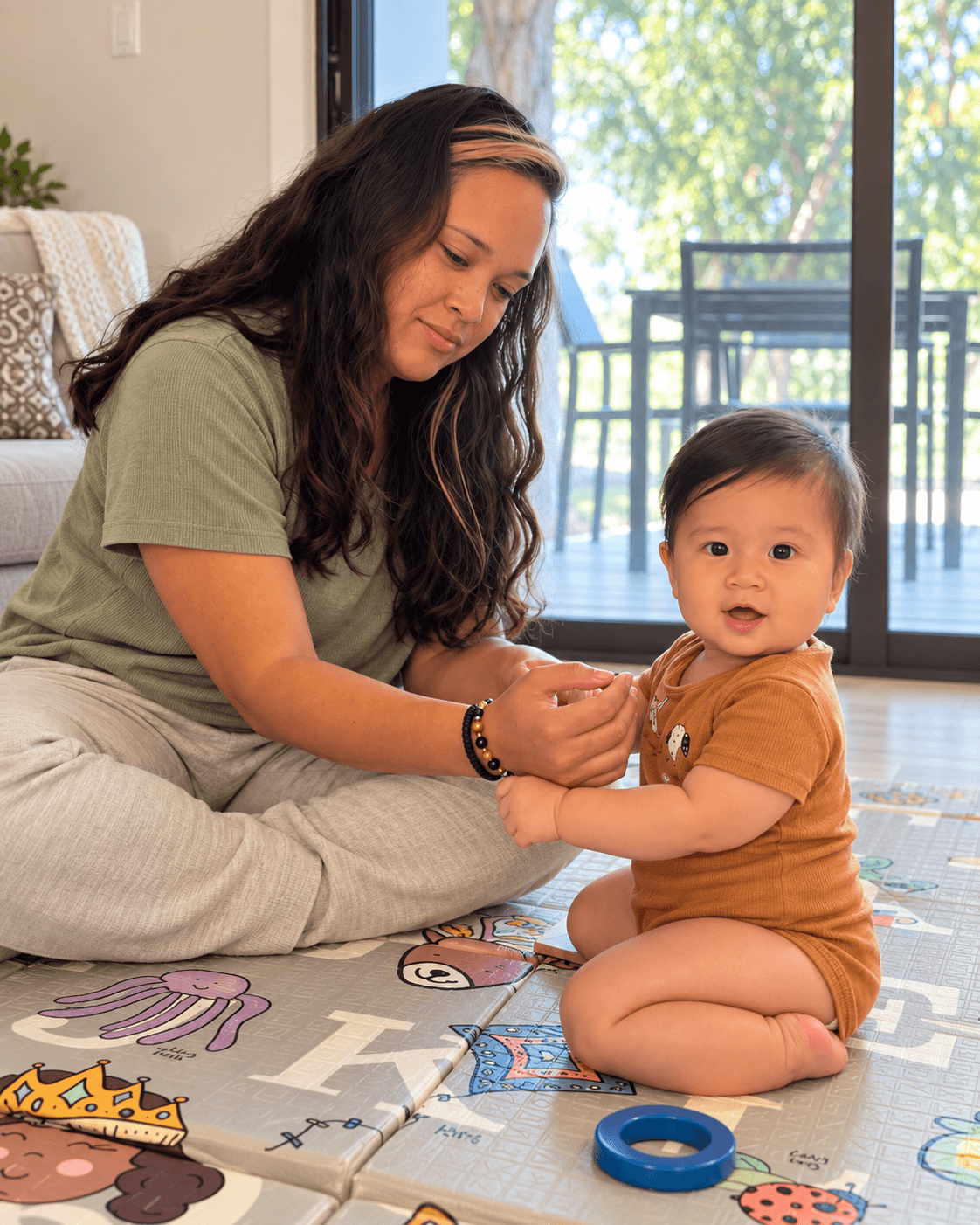
Prepare for the emotional, relational, identity, and lifestyle changes that can come with becoming a parent, including changing relationships, personal needs, and questions about who you are becoming.

Coaching with Ixchel
Practical, reflective support for children, youth, parents, caregivers and families to better understand development, behavior, identity, the patterns shaping them, and the relationships they are building together.
My work is not about giving young people or families one “right” way to grow, respond, relate, or move through life. I help children, youth, young adults, parents and caregivers better understand themselves, what has shaped them, what they may be carrying, and how they want to respond, connect, grow, and move forward.
Support For:
There is no perfect starting point. Start with what feels most present for you.
Understanding the Work

A Whole-Person Approach
Youth & Parent Development Coaching is a collaborative space for children, young people, parents and caregivers to better understand themselves, each other, and what may be happening beneath behavior, emotions or difficult moments.
Rather than focusing only on what needs to be “fixed,” we can explore development, identity, communication, relationships, family patterns, transitions and the experiences influencing how someone responds.
The goal is not perfection or following one formula. It is building greater awareness, stronger connection, and practical ways to move forward that make sense for the person, relationship and family involved.
Together, we may explore:

Different People • Different Seasons
Support can look different depending on who is in the room, what season of life you are in, and what is asking for attention.
Prepare for the emotional, relational, identity, and lifestyle changes that can come with becoming a parent, including changing relationships, personal needs, and questions about who you are becoming.
Better understand development, behavior, emotional needs, connection, and the foundations being built throughout childhood.
Navigate changing communication, boundaries, trust, independence, identity, and your evolving role as a parent as your child grows.
Build greater self-awareness, confidence, communication, emotional understanding, identity, self-trust, and decision-making while navigating growth and change.
Navigate generational differences, expectations, and boundaries, better understand behavior, strengthen communication and connection, and support the family’s approach to care and development.
Find greater stability and connection through relocation, separation, grief, blended families, school changes, identity shifts, and other significant life transitions.
Areas We Can Explore Together
Coaching can give us space to understand what is happening, strengthen what is already working, and practice new ways of relating to ourselves and the people around us.
Strengthen trust, connection, repair, boundaries, and the way you relate to the people who matter to you.
Explore who you are becoming, what feels true to you, and how expectations, experiences, or relationships may have shaped your sense of self.
Better understand emotions, needs, reactions, and how to communicate more clearly through difficult or meaningful moments.
Look beneath behavior and consider development, environment, emotional needs, abilities, personality, and what may be happening underneath what you see.
Recognize learned responses, family patterns, expectations, and experiences that may still influence how you react or relate today.
Strengthen decision-making, self-belief, problem-solving, personal responsibility, and confidence in navigating life with increasing independence.
Navigate school, relationships, family changes, adolescence, young adulthood, shifting roles, and other seasons where life asks you to adjust.
Use play, movement, exploration, creativity, and everyday experiences as opportunities for learning, development, connection, and self-discovery.
The goal is not to control every behavior, eliminate every difficult emotion, or get every response “right.” It is to understand more clearly, connect more deeply, and move forward with greater awareness.

We cannot remove every hard moment, but we can give children more experiences of being seen, supported, trusted, repaired and reconnected with, and free to become who they are.
And as we support their development, we have opportunities to keep developing too.
Education, Training & Experience
My work is shaped by more than one field.
My background has allowed me to learn about people through
movement, physical development, rehabilitative therapy,
child development, caregiving, healthcare, and coaching.
Each experience has added another way of looking at the
whole person rather than only the behavior, challenge,
or moment in front of me.
 Coaching
Professional Certification
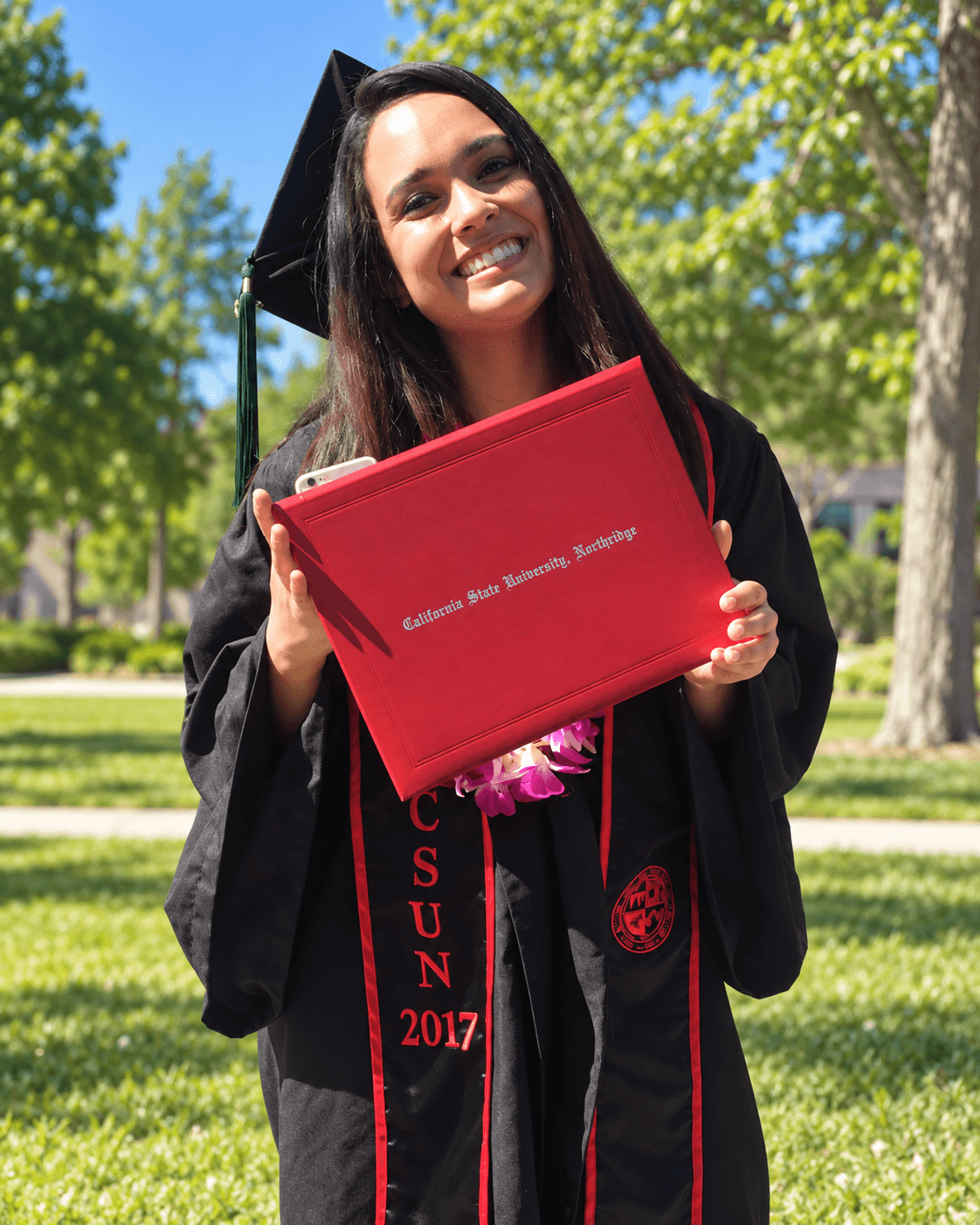
Health Coach Institute
Coaching education focused on supporting people through reflection, behavior change, personal growth, awareness, goal-setting, and meaningful life transitions.
What This Brings Into My Work
I look beyond a single behavior or challenge and consider the child, the adult, the relationship, the environment, developmental stage, communication skills, and the experiences shaping what is happening now.
No single degree, certification, or experience defines the way I work. It is the combination of them that shapes how I listen, observe, ask questions, and understand the person in front of me.

Hello & Welcome!
I'm glad you're here!
My coaching is a space to slow down, understand what’s happening, and move forward with more awareness, connection, and intention.

A Little About Me
I’m naturally reflective, curious, observant, and playful. I tend to look beneath what is happening on the surface and wonder what a behavior, reaction, or pattern might be communicating and where it may have come from.
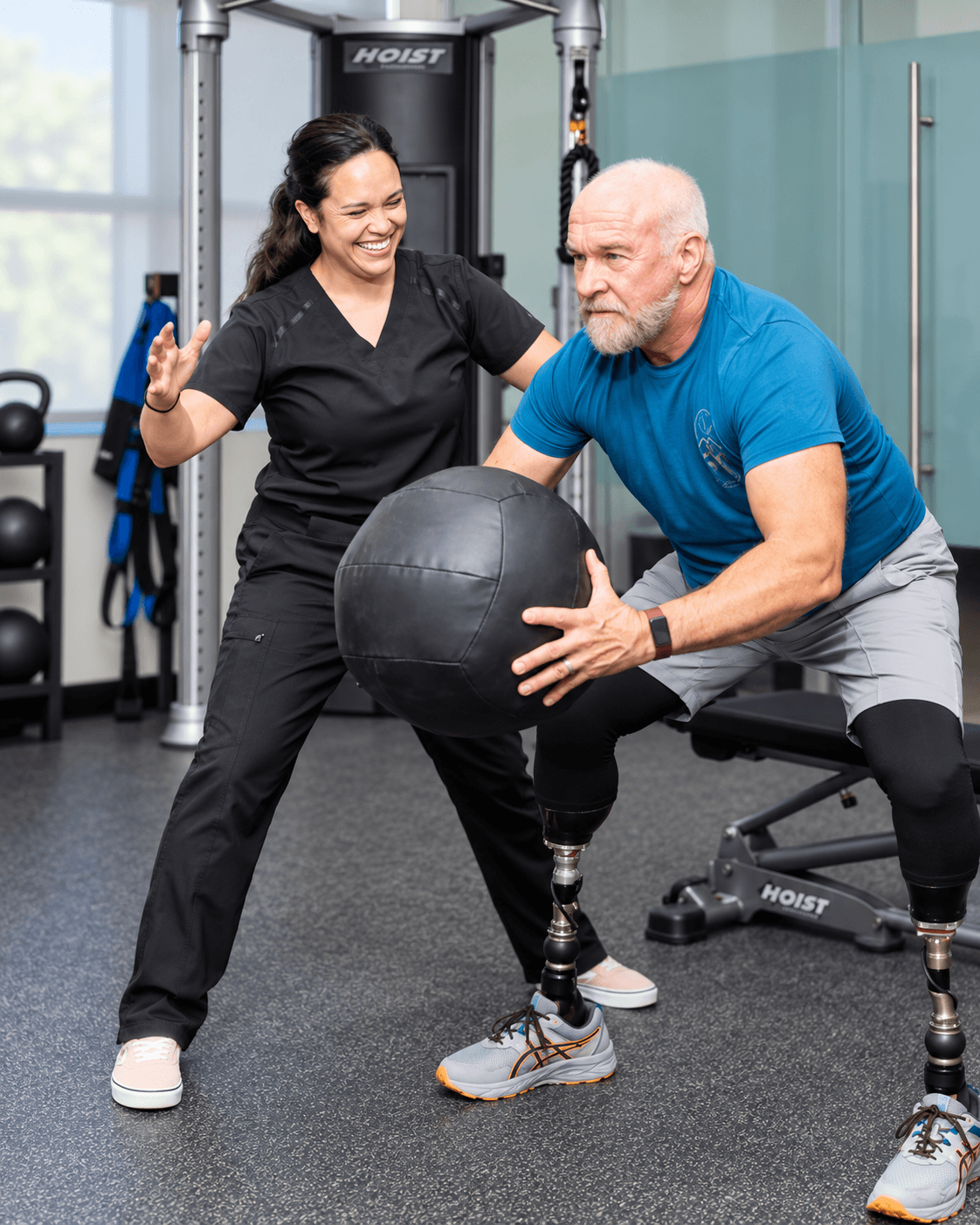
My background across childcare, rehabilitative therapy, healthcare, movement, pediatric environments, and coaching has only deepened that curiosity about how people develop, relate, adapt, and become who they are.
My approach is warm and compassionate, but also grounded. I believe we can understand why something is happening while still taking responsibility for what we choose to do next.
I value play, movement, exploration, individuality, and giving both children and adults room to become more fully themselves.
At the heart of my work, I often ask...
What was inherited?
What still belongs to us?
What do we consciously want to carry forward?
Because children are developing. And so are the adults raising them.
What Guides My Work
To help people understand what shaped them, reconnect with what feels true, and consciously choose what they want to carry forward.
When children are involved, that also means strengthening the foundations shaping who they are becoming.
To support children, youth, young adults, parents, caregivers, and families in understanding development, strengthening self-awareness and connection, recognizing inherited and learned patterns, and creating more intentional ways of communicating, responding, relating, and growing together.
A generation of people who understand themselves earlier, trust themselves more deeply, communicate more honestly, and feel safer being who they are.
A generation raised alongside adults willing to grow with them.
If This Approach Resonates
The Way We Work
Change often begins by understanding what is happening, reconnecting with what matters, and practicing a more intentional way forward.
This process is not about fixing yourself or becoming someone new.
It is about seeing yourself more clearly and using that awareness in the way you live, relate, communicate, and grow.
Begin With Awareness
What is asking to be seen more clearly?
Notice the patterns, emotions, beliefs, triggers, unmet needs, responses, inherited expectations, family dynamics, and experiences influencing what is happening now.
Recognition is not about judgment.
It is about making what may have been automatic visible enough to understand.
This might also mean becoming more aware of emotions, behaviors, relationships, personal needs, strengths, or situations that feel difficult to navigate.
Reconnect with your voice, values, needs, strengths, boundaries, intuition, identity, desires, and the parts of yourself that may have become quieter beneath fear, responsibility, conditioning, other people’s expectations, or adaptation.
For children, youth, and young adults, this may include developing a stronger understanding of:
Reclaiming is not about returning to an old version of yourself. It is about recognizing what genuinely belongs to you now.
Reconnect With Yourself
What remains true when expectations grow quieter?
Bring Awareness Into Life
How does understanding change what you do next?
Bring what you are learning into everyday life.
Reintegration turns awareness into practice.
The goal is not simply to understand something differently. It is to begin living differently where that understanding matters.
Human development is ongoing. As life changes, we continue learning, adjusting, practicing, and choosing how we want to move forward.
Inside the Coaching Experience
Coaching with me is collaborative, personalized,
and grounded in what is actually happening in your
life, relationships, development, or family.
There is room to slow things down, look at what may
be underneath the surface, ask different questions,
practice new ways of responding, and identify steps
that feel realistic for where you are right now.
What Sessions Can Feel Like
Curious
We explore before assuming. Rather than rushing to label a behavior, reaction, pattern, or challenge, we can slow down and become curious about what may be influencing it.
What You Bring
What you are noticing.
What feels difficult.
Your relationships, identity, culture, needs, values, questions, and goals.
For young people, their perspective matters too. They are not simply the subject of an adult conversation.
What I Bring
I bring careful listening, reflection, questions, education, and another perspective that may help us see what is happening more clearly.
Together, we can connect patterns, explore what may sit underneath behavior or reactions, and translate what we learn into realistic ways of moving forward.
You know your life and family in ways I never can. My role is not to replace that knowledge. It is to help you see more clearly, ask different questions, and explore what may support you moving forward.
Real Life Practice
Small changes matter. Small wins matter. The goal is steady progress, not perfection.
For Children, Youth & Young Adults
When I work directly with a child, teenager, or young adult, the goal is not to make them more convenient for the adults around them.
It is to help them better understand themselves, their emotions, relationships, choices, needs, strengths, identity, and the situations they are learning to navigate.
Depending on their age and the coaching arrangement, parents or caregivers may still be part of the process.
The level of caregiver involvement can be discussed together based on age, needs, goals, and what supports the young person responsibly.
Understanding the Scope
Coaching is an educational, reflective, and developmental relationship. If something comes up that is outside the scope of coaching, I may encourage additional support from an appropriately qualified professional.
Your Starting Point
Experiences Across My Work
My work with people has taken different forms over the years. These reflections come from coaching, workshops, tutoring, youth support, and earlier rehabilitative healthcare experiences. Each story is shared with the context in which we worked together.
Parent of Former Tutoring Student
I appreciated your calm approach to Brit and
meeting her where she was at in math. You were
extremely patient and attentive, and the patience
was key because she wasn’t the most open at first.
Your relationship grew stronger with each session,
allowing Brit to become more confident in your
support. We haven’t sought out anyone after
working with you because it’s difficult to find
community we can trust as I did with you.
You have the perfect demeanor to work with kiddos
and their families. You meet the kid where they
are, even if that means backtracking to set a good
foundation for more complex problems.
Kris - Brit’s Mom Parent perspective
Former Tutoring Student
What I remember most about working with you is
the patience you had for me.
I liked that it was one-on-one. That setting made
things less stressful. You had a sense of humor,
you were kind and fun!
I would tell other kids that you’ll meet them
where they are at.
Brit Former tutoring student • Age 10 at the time
Parent of Former Tutoring Students
Ixchel always took the time to work with my sons
individually, encouraging them to think through
difficult questions and figure out solutions for
themselves rather than simply giving them the answers.
She was patient, understanding, and encouraging,
and she built a genuine relationship with both of
my boys.
Most importantly, she helped build their confidence
and taught them not to give up when something was
difficult. She empowered them to believe in their
own abilities and take pride in their accomplishments.
Yolanda Luna Parent of former tutoring students
12-Week Coaching Client
I felt safe to open up and tell you what I needed
to say, and hear myself say. Our conversations
were real, raw, and from the heart.
During each session I always felt heard and
supported without judgment. I never felt awkward
or embarrassed to open up, share, cry, dance,
or laugh.
I have more clarity in what I want and what feels
right, and more confidence to show up. I can see
how much I have changed, grown, and evolved.
Danielle 12-week coaching client
Workshop Participant
Your calming energy and quality of content and
messaging really resonated with me.
Our connection provided me with validation of my
work and the desire to keep making a difference.
My confidence in this space has increased.
I’m so grateful our paths crossed and for the
opportunity to learn from and alongside you.
Darlene Vendittelli Workshop participant
Former Rehabilitation Client
I was probably at one of the lowest points in my
life, and you helped me never give up on myself.
You helped me regain knowledge and confidence in
my abilities, and helped me believe in myself.
What stayed with me most was your kindness.
Anonymous Former rehabilitation client
Questions You Might Be Wondering
You do not need to know every detail before reaching out. These are a few of the questions people may have as they consider coaching.
I work with children and youth ages 8+, young adults, parents, caregivers, soon-to-be parents, and families depending on the coaching need and arrangement.
Sometimes. The level of involvement depends on the young person’s age, needs, goals, and coaching arrangement.
I want young people to have space for their own voice and developing independence while also involving parents or caregivers when their participation can support the work responsibly.
We can discuss what that looks like together.
You do not need to arrive with the perfect goal or explanation.
We can begin with what feels difficult, confusing, repetitive, important, or simply present for you right now and explore from there.
No. My coaching is educational, reflective, developmental, and action-oriented.
I do not provide psychotherapy, diagnosis, medical treatment, or crisis care through coaching.
If something arises that is outside my scope, I may encourage additional support from an appropriately qualified professional.
No.
I do not believe there is one universal formula for how every family should parent.
My role is to help you better understand development, behavior, patterns, relationships, communication, and your own responses so you can make thoughtful decisions that make sense for your child, your relationships, and your family.
Sessions can include reflection, questions, identifying patterns, exploring what may be underneath a challenge, communication practice, developmental education, reviewing what happened between sessions, and identifying realistic next steps.
I adapt the conversation to what feels most relevant at that point in the coaching process.
No.
You may come to me because something feels difficult, but coaching can also support identity development, confidence, communication, transitions, stronger relationships, self-awareness, preparation for parenthood, or simply wanting to approach life and family more intentionally.
Yes. I currently offer coaching virtually.
The connection call gives us space to talk about what is bringing you to coaching, answer your questions, explore what you are looking for, and see whether my approach feels like a good fit.
You do not need to have everything figured out before we talk.
Still wondering whether coaching fits what you’re navigating? The connection call is a space to ask. There is no pressure to arrive with all the answers.
How to Get Started
You do not need the perfect goal, the perfect explanation,
or even certainty that coaching is what you need.
Bring what feels most present right now.
We can start there.
Three Simple Steps
The connection call is simply a place for us to understand what is bringing you here, answer your questions, and see what feels right from there.
Choose a time that works for you and schedule a free conversation with me.
There is no expectation that you arrive knowing exactly what you want to work on.
The first step is simply starting the conversation.
We will talk about what has been happening, what you are noticing, who may be involved, and what you hope could feel different.
You can also ask about:
After we talk, you can decide whether working together feels like the right next step.
If it does, we can discuss the coaching arrangement that makes the most sense for you, your child, young person, or family.
If it does not, that is okay too.
There is no pressure to force a fit.
Maybe you are here because something feels difficult.
Maybe something is changing.
Maybe you simply want to understand yourself, your child, or your relationships more deeply.
Wherever you are beginning, you do not have to know the whole path yet.Your Starting Point
A free connection call gives us space to talk, ask questions, and see whether coaching feels like the right next step for you.